
The Sahel region is the EU backyard. France and Spain have been deeply involved in the region since the tuareg uprising took place in 2011. Instability has spread in the region with unexpected consequences for the traditional colonial power, France, and Spain which has been walking hand in hand with the French in the region.
For France is a matter of regional power and influence. For Spain is a matter of migration control.
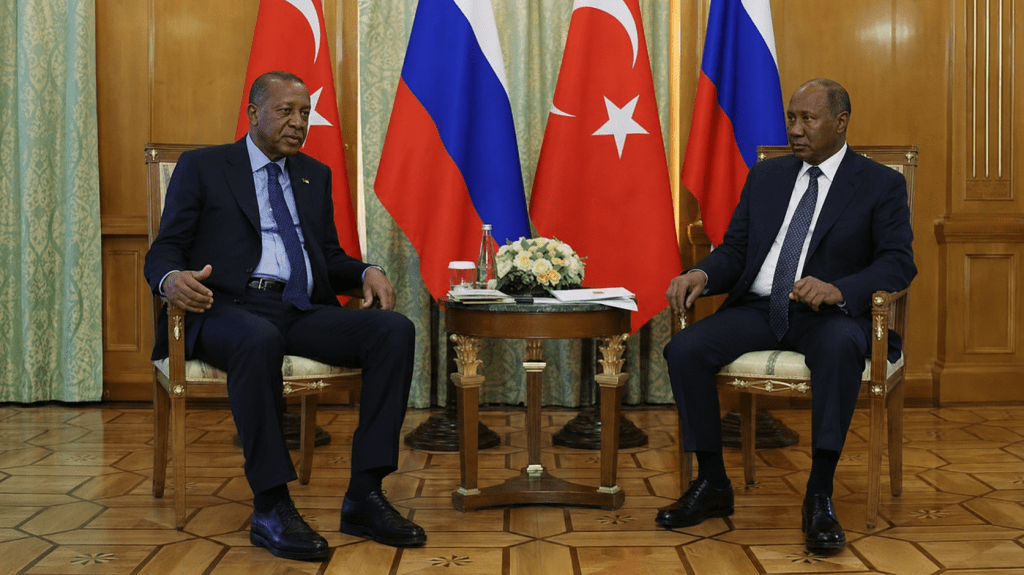
Russia and Turkey are taking advantage of the changes in the region although it is not easy for them, either. There is a jihadist movement (JNIM and ISGS) which is also capitalizing the instability in its favour.
Un resumen en español:
Un précis en français (et un vidéo ici):
And here the report in English. Enjoy
The document argues that the Sahel has entered a prolonged period of instability since the 2011 Mali crisis, with EU and French influence steadily collapsing after successive coups in Mali, Chad, Burkina Faso and Niger. It describes how the EU’s earlier security, migration and governance strategies failed to prevent jihadist expansion or preserve political influence, while France became increasingly toxic in the eyes of the region’s military juntas due to accusations of neo-colonialism, interference and hidden agendas. The rupture culminated in expulsions of French forces and diplomats, the suspension of EU cooperation with Niger, and the weakening of intelligence-sharing arrangements. In this vacuum, Russia, Turkey, China and Gulf actors have expanded their presence, while the EU has shifted toward a more pragmatic country-by-country approach, with Mauritania emerging as its main remaining anchor of stability.
The file focuses especially on the growing role of Turkey and Russia in the Sahel. It presents Turkey’s intelligence service, MIT, and the private military contractor SADAT as instruments of Ankara’s expanding security, intelligence and economic footprint, often operating through drones, mercenaries, development agencies and soft-power networks. At the same time, Russia’s Africa Corps and disinformation campaigns have helped displace Western influence and sustain junta regimes. The document concludes that Turkey and Russia are both tactical partners and strategic rivals: they may cooperate in areas such as mercenary deployments, resource protection and Russia’s shadow-fleet oil networks, but they also compete for mineral concessions, security contracts and long-term regional influence. For the West—and especially France and Spain—the expected result is deeper instability, expanding jihadist space, increased migration pressure, and a weakened capacity to shape events in the Sahel.


Leave a comment